Home Window Tinting: Save Heat and UV
Explore home window tinting: benefits, types, costs, and how to choose a professional installer.
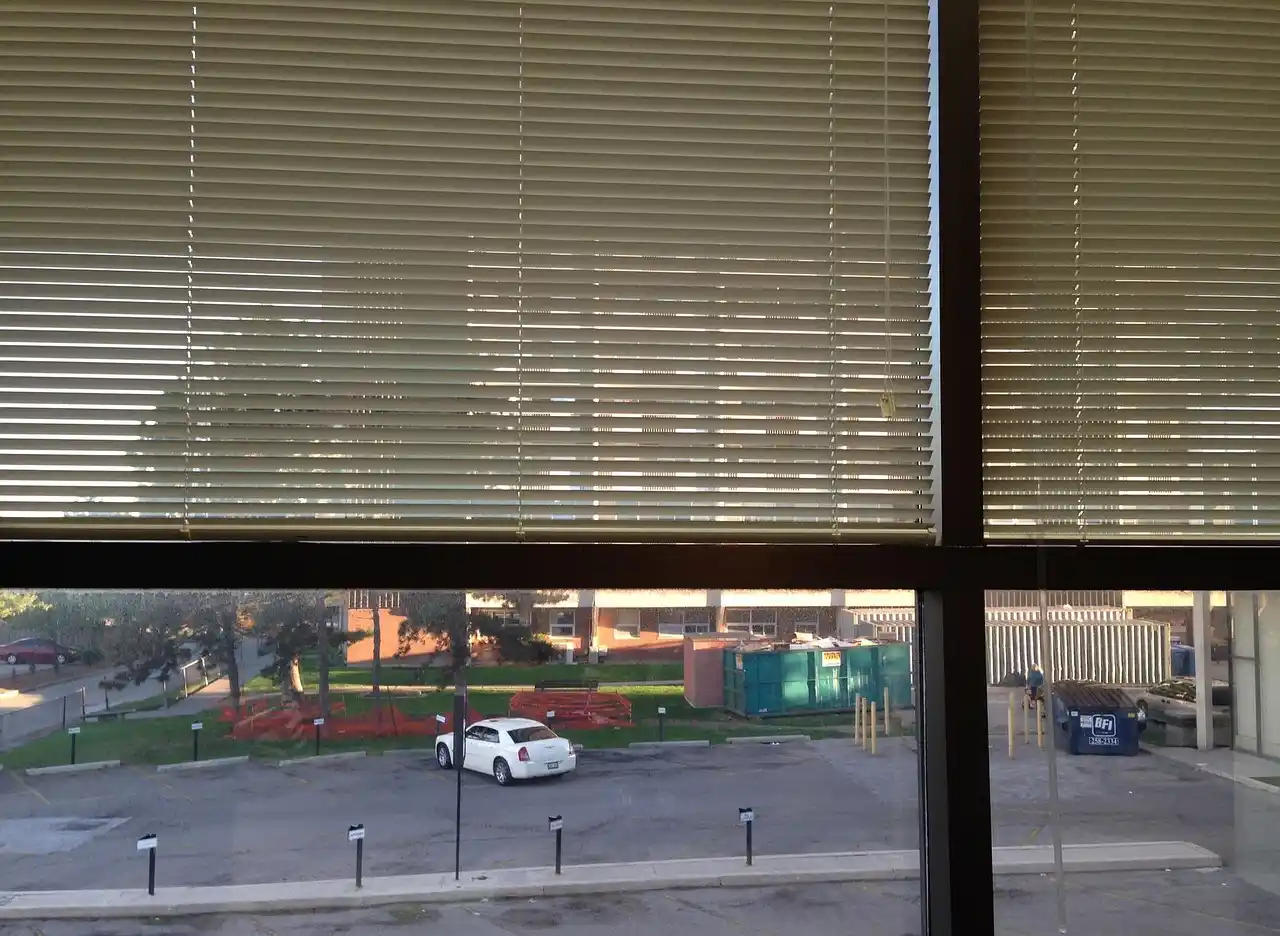
Home window tinting refers to applying a thin film to home windows to improve comfort, energy efficiency, and protection from the sun. Modern films block UV rays, reduce heat, minimize glare, and enhance privacy without drastically changing a home's exterior appearance. This guide explains how home window tinting works, the options available, how to choose a professional installer, and what to expect during and after installation.
What is home window tinting?
Window tinting for homes uses decorative and functional films designed for interior installation on glass. The primary goals are to reduce heat gain in hot climates, block ultraviolet (UV) radiation that fades furnishings, and improve glare control. Many films are designed to be nearly invisible from the outside while providing noticeable benefits inside. Choosing the right film depends on climate, orientation, window type, and personal preferences for appearance and privacy.
The key benefits of home window tinting
- Energy efficiency: Heat rejection lowers cooling loads in summer and can reduce overall energy bills.
- UV protection: Most window films block up to 99% of UV rays, protecting fabrics, artwork, and flooring from fading.
- Glare reduction: Less glare makes screens and tasks more comfortable, particularly in rooms with strong sun exposure.
- Privacy and safety: Tinted films can offer daytime privacy and, depending on the film, added shatter resistance in case of breakage.
- Maintenance and longevity: Modern films resist staining and are easy to clean with standard window cleaners.
Types of window films for homes
Understanding the common film types helps you balance aesthetics, performance, and cost. Each type has unique strengths and trade-offs.
Dyed window film
Dyed films are affordable and good for privacy. They absorb solar energy and darken rooms, but over time the dye can fade or shift if exposed to intense sunlight. They are generally non-reflective from the inside, but exterior appearance can be more noticeable in bright light.
Metalized window film
Metalized films add metal layers to reflect heat. They offer strong heat rejection and durability but can interfere with electronic devices and reduce signal strength for things like cell phones and Wi‑Fi in some installations. They tend to have a more reflective exterior look.
Ceramic window film
Ceramic films use advanced non-conductive materials that provide high heat rejection without the metallic interference. They maintain clarity, reduce glare, and are durable against scratching, making them a popular choice for modern homes.
Carbon/dye-composite films
Carbon or carbon-dye films offer a dark, balanced appearance with excellent heat rejection and UV protection. They do not interfere with electronics and maintain color stability over time, making them a versatile option for many homes.
How to evaluate energy savings and UV protection
Energy performance varies by film type, window orientation, and climate. In general, high-quality ceramic or carbon films can reduce summer heat gain by a significant margin and maintain visible light transmission (VLT) at levels that preserve natural daylight. For a typical home, energy savings come from reducing cooling loads and keeping interiors cooler near windows without relying solely on air conditioning. UV protection helps preserve interior furnishings and protects occupants from sun exposure. When selecting a film, ask installers for insulating value (U-factor) and visible light transmission (VLT) data for your climate and window size.
Legal considerations and safety
Local regulations dictate permissible tint levels, especially for driver visibility and privacy. While this article focuses on residential applications, always verify your jurisdiction’s requirements for interior glazing, film shade, and reflective versus non-reflective finishes. Reputable installers provide compliance documentation and warranties. For safety, many homeowners choose safety or security films that hold shards together if a window is broken, adding a layer of protection beyond heat and UV control.
Choosing a professional installer
The right installer ensures consistent results, proper film selection, and warranty coverage. Look for:
- Evidence of licensing and insurance.
- Manufacturer certifications or IWFA (International Window Film Association) endorsement.
- Before-and-after photos, client testimonials, and measurable outcomes (heat rejection, UV protection).
- Transparent pricing, written warranties, and a clear maintenance plan.
- In-home consultations to assess window type, sun exposure, and privacy goals.
Ask about installation duration, surface preparation, and whether the film requires post-installation cleaning or curing time before you can use the space normally.
Maintenance and longevity
Maintenance is simple: use a soft cloth and mild, non-ammonia cleaners to avoid long-term film damage. Avoid abrasive scrubbers and rough edges that could lift or scratch the film. Most films offer long-lasting performance on properly prepared glass. Pooling water, heavy condensation, or improper cleaning can affect longevity, so follow the installer’s care instructions.
Cost considerations and return on investment
Costs vary with film type, window size, and labor. Dyed films tend to be the most affordable, while ceramic and carbon films command a premium but deliver higher performance and longer lifespans. Typical residential projects range from a few hundred to a few thousand dollars, with ROI driven by reduced cooling costs, furniture preservation, and improved comfort. Dealers often provide energy savings estimates based on local climate data and window characteristics.
Comparison table: film types at a glance
| Film Type | Pros | Cons | Ideal Use |
|---|---|---|---|
| Dyed | Affordable, good privacy | Dye can fade over time; may require replacement | Budget projects, basic privacy |
| Metalized | Excellent heat rejection, durable | May interfere with electronics; reflectivity exterior | High-heat climates; wants glare control |
| Ceramic | High heat rejection, no metal interference | Higher upfront cost | Premium performance, clear view, modern homes |
| Carbon/Dye-Composite | Strong heat rejection, durable, non-reflective | Moderate to high cost | Balanced performance and appearance |
Conclusion
Conclusion, investing in home window tinting can deliver immediate comfort through glare and heat reduction, protect interiors with UV blocking, and enhance home security when paired with safety films. By selecting the right film type, verifying local regulations, and choosing a qualified installer, you can maximize energy savings, maintain daylight quality, and ensure long-lasting performance for your living spaces.