Home Window Tint: Benefits, Types & Costs
Explore home window tint: benefits, types, costs, and guidance to choose the right residential solution.
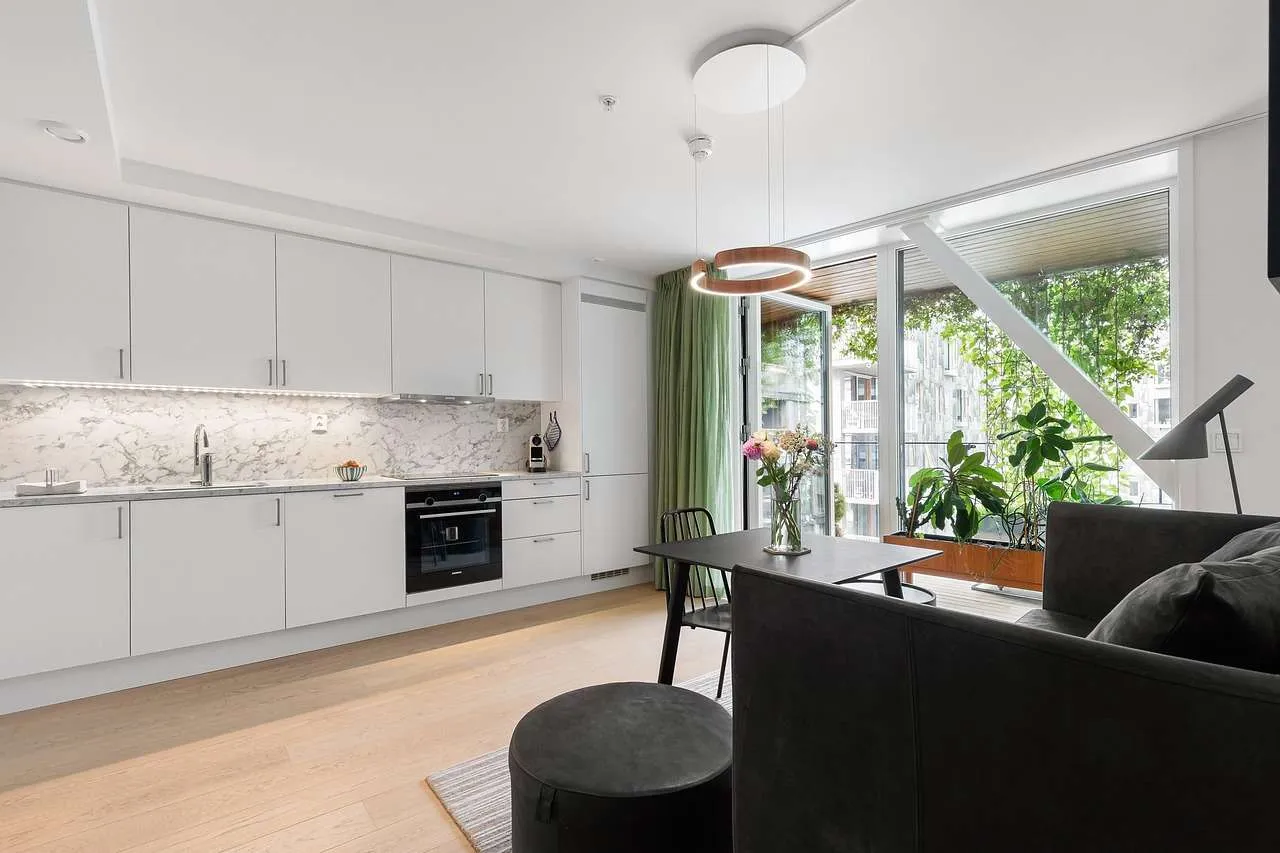
Home window tint has moved from a niche upgrade to a practical feature that improves comfort, energy efficiency, and privacy in many homes. Modern tint films block heat, reduce glare, and shield interiors from UV damage without making rooms feel dark. This guide covers what home window tint is, why homeowners choose it, the main film types, how to select and install, costs, and considerations to stay compliant with local rules.
What is home window tint?
Home window tint is a thin laminate film applied to glass surfaces to control solar energy, glare, and UV exposure. It can be applied to most standard windows and doors, and is typically installed by a trained professional, though some DIY kits exist for smaller projects. The tint works by absorbing, reflecting, or transmitting portions of the light spectrum, helping to regulate indoor temperatures and comfort levels.
Benefits of home window tint
- Reduced solar heat and improved cooling efficiency, especially in sunny rooms.
- Strong UV protection to limit fading of furniture, flooring, and artwork.
- Glare reduction for comfortable daytime activities and screen visibility.
- Increased privacy without sacrificing natural light in many film types.
- Enhanced safety and security by helping hold shattered glass together in accidents.
- Protection of interior furnishings, contributing to long-term value and comfort.
Types of residential window tint
Dyed films
Dyed films are affordable and good for basic glare control and privacy. They tend to darken over time and offer moderate heat rejection, with lower durability than more advanced films.
Metalized films
Metalized films reflect a portion of solar heat and provide strong glare reduction. However, they can interfere with electronics and may show a noticeable mirror-like appearance depending on the tint level.
Ceramic films
Ceramic films deliver high heat rejection, excellent optical clarity, and minimal reflectivity. They offer superior durability and are less prone to interference with devices, but they are typically more expensive.
Low-E films
Low-E films use microscopic coatings to reduce infrared transmission while preserving visible light. They are a strong option for energy efficiency and comfort across seasons and often pair well with modern windows and better insulation.
How to choose the right tint
Choosing the right home window tint involves balancing aesthetics, performance, and budget. Key considerations include:
- Visible light transmission VLT: Determines how much light passes through. Higher VLT means lighter appearance; lower VLT yields more privacy and glare control.
- Solar heat gain coefficient SHGC: Lower SHGC reduces heat entering the home, improving cooling efficiency.
- UV rejection: Most high-quality films block up to 99 percent of UV rays, protecting furnishings and skin.
- Appearance and reflectivity: Desired look from indoors and outdoors, as well as potential reflectivity at night.
- Durability and warranty: Ceramic and Low-E films typically offer longer warranties and better longevity.
- Safety and legal considerations: Ensure the tint complies with local regulations on tint darkness for front doors and sidelights.
Installation and maintenance
Professional installation is recommended for most homes to ensure a bubble-free finish and lasting adhesion. The process generally includes cleaning the glass, precisely cutting the film, and applying it with a moisture-free squeegee to remove air and water. DIY kits exist but require careful surface preparation and steady technique to avoid streaks or peeling. Maintenance is simple: wipe with a soft, non-abrasive cloth and a mild solution. Avoid ammonia-based cleaners that can degrade the film over time.
Costs and return on investment
Pricing varies by film type, window size, and labor rates. Typical installed costs range from 8 to 15 per square foot for professional work, with higher-end ceramic and Low-E films toward the upper end. DIY material kits can start around 30 to 150 for smaller projects but lack the long-term warranties of professional installs. When evaluating ROI, consider energy savings from reduced cooling loads, less interior fading, and improved comfort, which can add value and reduce operating costs over time.
Legal and safety considerations
Local regulations regarding tint darkness and reflectivity vary widely. Some regions require minimum light transmission on front-side windows and may restrict highly reflective films in certain neighborhoods. Before purchasing material or booking installation, check with local building codes and state or provincial guidelines to avoid penalties and ensure insurance coverage remains valid. Also consider safety ratings such as impact resistance if you live in an area prone to storms or consider film certified for safety standards.
DIY vs Professional: What to expect
| Aspect | DIY Tint Film | Professional Tinting |
|---|---|---|
| Cost | Lower upfront material cost; labor is included if hired | Higher upfront cost but includes labor, warranty, and guarantee of quality |
| Quality control | Higher risk of bubbles, creases, and uneven edges | Consistent, bubble-free finish with professional tools |
| Durability & warranty | Typically limited or no warranty | Manufacturer warranty and installation warranty |
| Time and disruption | Longer, more hands-on process | Faster and cleaner installation with less homeowner effort |
Summary: Home window tint offers tangible benefits in comfort, energy efficiency, and interior protection when selected and installed with care. By understanding film types, evaluating light and heat control needs, and aligning with local regulations, homeowners can achieve a durable, aesthetically pleasing result that protects furnishings and reduces utility costs. Conclusion, making an informed choice with a reputable installer ensures lasting performance and satisfaction.