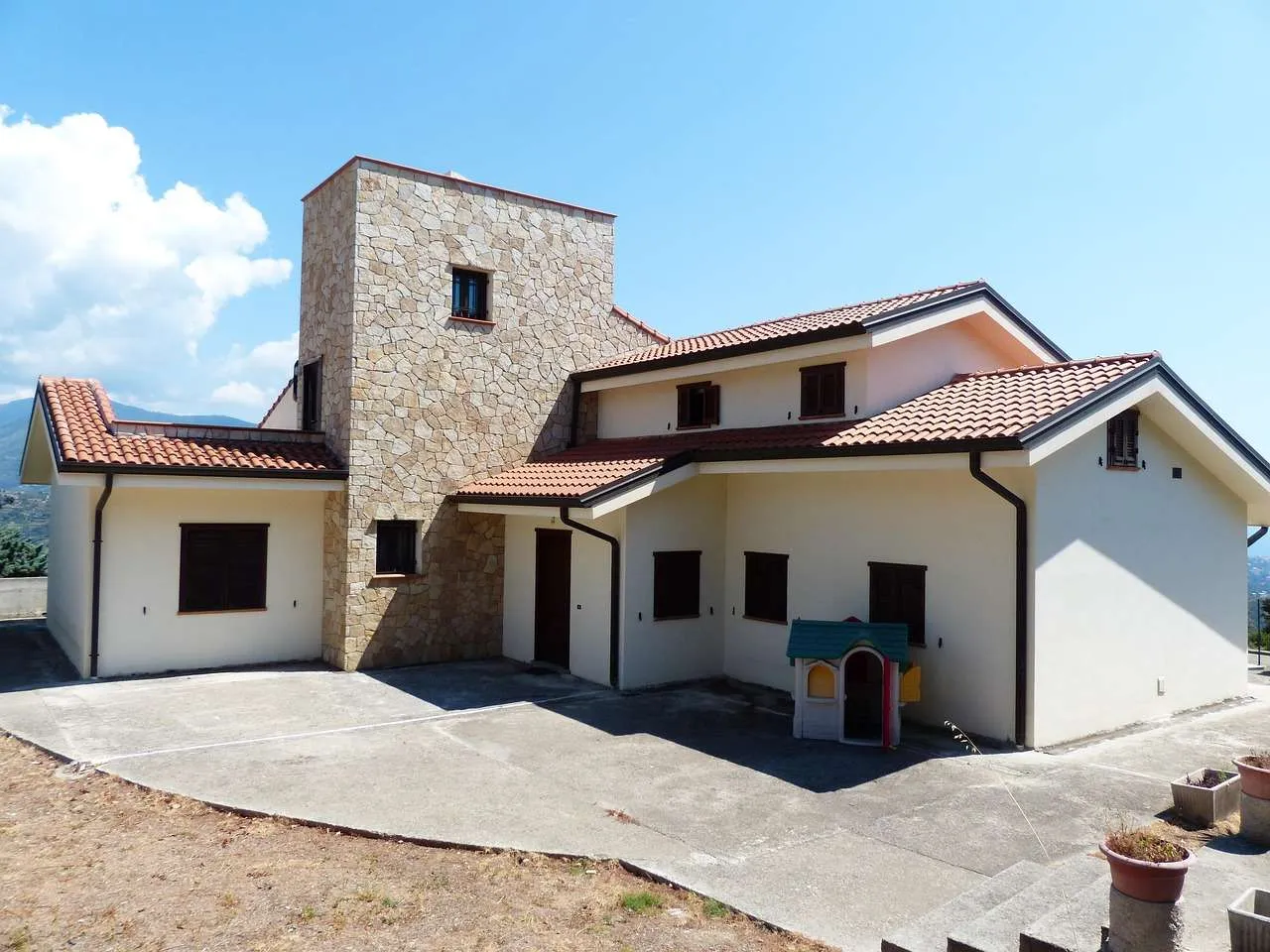
Repair of Roofing: Essential Guide to Fixing Your Roof
Repair of roofing guidance on signs, methods, and costs for safe, durable fixes.

Repair of Roofing: How to Identify and Fix Issues
The term repair of roofing covers a broad range of projects, from simple shingle replacement to sealing flashing and addressing structural weaknesses. Properly executed roof repairs protect your home from water intrusion, improve energy efficiency, and extend the life of the entire system. This guide brings together expert insights, practical steps, and cost considerations to help homeowners navigate common problems with confidence while adhering to safe practices and building codes.
Common Roofing Issues That Require Repair
Roof damage can arise from weather, aging materials, improper installation, and debris. Being able to recognize the root causes helps you decide whether a repair is enough or if more extensive work is necessary. Typical repair needs include:
- Missing, cracked, or curling shingles that expose the underlayment to moisture
- Damaged flashing around chimneys, vents, or skylights
- Aging or breached underlayment allowing water to reach the attic
- With wear, ponding water on flat roofs leading to leaks
- Ice dam damage in cold climates causing shingle edges to lift
Understanding these issues helps you assess urgency and plan a safe repair approach. Always inspect after storms, heavy winds, or hail to catch hidden damage early.
Signs You Need Roof Repair
Prompt detection saves money and prevents further harm. Look for:
- Water stains or dampness in the attic or ceiling
- Those telltale shingles in gutters or on the ground
- Dark spots, moss, or algae growth that retain moisture
- Rusty or loose flashing along the roof joints
- Visible gaps or daylight through the attic during daytime
If you notice any of these signs, start with a careful inspection from a safe vantage point or consult a professional to confirm the repair scope.
DIY vs Professional Roof Repair: When to Hire Help
Do-it-yourself repairs can save money for minor issues and when you have experience with ladder safety and roofing materials. However, roofing work presents fall hazards and structural risks and often involves working at height, weather exposure, and specialized tools. Consider hiring a licensed contractor for:
- Structural damage, sagging roofs, or compromised decking
- Leak diagnosis where the source is not immediately obvious
- Extensive flashing, vent boot, or chimney work
- Codes compliance and warranty considerations
Always compare multiple quotes, verify insurance and licensing, and review past project photos when selecting a contractor.
Repair Process: From Inspection to Finish
A typical repair plan follows these steps, ensuring a thorough and lasting fix:
- Inspection: A roofer evaluates the damaged area, underlying decking, and ventilation conditions.
- Assessment and Planning: Determine whether a patch, full shingle replacement, or flashing repair is needed. Check for structural issues that require carpentry.
- Material Selection: Choose weather-resistant shingles, underlayment, and flashing compatible with your roof type.
- Prep and Safety: Protect interior spaces, remove debris, and ensure fall protection for workers if done by a pro.
- Repair Execution: Replace damaged shingles, reseal flashing, or repair deck boards as required.
- Quality Check and Clean-Up: Inspect for leaks, test seals, and remove waste and unused materials.
Professional repairs typically include a workmanship warranty, which offers peace of mind if issues resurface.
Materials and Typical Costs
Costs vary by roof type, region, and labor rates. The following table provides a rough guide to common repair types and typical ranges. Note that labor often constitutes a large portion of the total cost, and major repairs can escalate quickly after factoring in disposal and disposal permit fees.
| Repair Type | What It Involves | Estimated Cost (USD) | Notes |
|---|---|---|---|
| Shingle replacement | Replacing damaged shingles and resealing | $150–$500 per damaged area (varies by shingle type) | Higher for premium materials |
| Flashing repair | Repair or replace flashing around chimneys/vents | $200–$600 | Critical for preventing leaks |
| Underlayment patch | Replacing damaged felt or synthetic underlayment | $150–$400 | Improves moisture barrier |
| Leak diagnosis and patch | Identifying source and sealing the leak | $300–$1,000 | Costs depend on accessibility |
Maintenance to Extend Roof Life
Preventive care reduces repair frequency and preserves roof life. Consider:
- Regular inspections after severe weather and during seasonal transitions
- Cleaning gutters and ensuring proper drainage to avoid standing water
- Trimming overhanging branches to prevent physical damage and debris buildup
- Addressing attic ventilation to reduce heat build-up and moisture
- Timely replacement of worn flashing and seals at joints
By maintaining shingles and drainage systems, you protect your investment and minimize costly emergencies.
Comparison: DIY vs Professional Roof Repair
| Aspect | DIY | Professional |
|---|---|---|
| Cost | Lower upfront | Higher upfront, but includes warranty |
| Safety | Higher risk if not trained | Lower risk with proper equipment and experience |
| Quality guarantee | None or limited | Workmanship warranty typically 2–10 years |
| Time to complete | Depends on skill and access | Generally faster with crew logistics |
| Code compliance | Dimensional and material compliance may be risky | Ensured by licensed professionals |
Conclusion and Practical Tips
Repair of roofing requires careful assessment, appropriate materials, and adherence to safety and building codes. Start with a clear scope: identify the issue, determine whether a patch or full replacement is necessary, and weigh the benefits of professional expertise for complex repairs. If you decide to hire a pro, obtain multiple quotes, verify insurance, request a written warranty, and ask for before-and-after project photos. With informed decisions, timely action, and ongoing maintenance, you can restore roof integrity and protect your home for years to come.
Conclusion, addressing roof repairs promptly not only prevents further damage but also preserves your home’s value and comfort. By recognizing signs of wear, choosing the right repair approach, and prioritizing safety and quality workmanship, you ensure a durable roof that stands up to weather and time. Regular maintenance and informed planning are the keys to a resilient roofing system.
Summary, this article covered common causes of roof damage, signs that require repair, a step-by-step repair process, cost ranges, maintenance practices, and a practical DIY vs. professional comparison to help homeowners achieve reliable, long-lasting roofing performance.